--> -->
Renee Penna - Broker/Owner - Renee & Associates
  • Home
  • Our Listings
    • Active Listings
    • Sold Listings
  • Search
    • Quick Search
    • Advanced Search
    • Foreclosures
  • Communities
    • Search By Area
    • Easton Homes
    • Monroe Homes
    • Naugatuck Homes
    • Seymour Homes
    • Milford Homes
    • Stratford Homes
    • Derby Homes
    • West Haven Homes
    • East Haven Homes
    • North Haven Homes
    • Ansonia Homes
    • Bridgeport Homes
    • Trumbull Homes
    • Fairfield Homes
    • New Haven County Homes
    • Fairfield County Homes
  • Resources
    • Buyer Services
    • Seller Services
    • Tips For Buyers
    • Tips For Sellers
    • Homeowner Information
    • Title & Escrow Information
    • Mortgage Information
    • Relocation
    • Weather
    • Real Estate Glossary
    • Dream Home Finder
    • Free Market Analysis
  • About
    • About Us
    • Our Agents
    • Join Our Team
    • Testimonials
  • Blog
  • Contact Us
Select Page

Don’t Let These Two Concerns Hold You Back from Selling Your House

by Renee Penna | Nov 19, 2024 | For Sellers, Inventory

Selling your home is a big decision—and it can be stressful. After all, there’s a lot at stake: you’re likely dealing with your most significant financial asset, and there’s a lot of uncertainty about what comes next. While it’s natural to have concerns, there are two common worries that frequently hold homeowners back from putting their houses on the market:

  1. Not getting the right price
  2. Worrying about finding a new place to live

If these concerns are keeping you from selling your home, you’re not alone. But the truth is, there are ways to manage both. Here’s how to tackle these concerns head-on and move forward with confidence.

1. Concern: Not Getting the Right Price

One of the biggest fears homeowners have when selling is not getting the price they feel their property is worth. The market can be unpredictable, and pricing your home too high or too low can have significant consequences.

How to Overcome This Concern:

Understand Your Market: First and foremost, it’s important to get a solid understanding of your local market. Real estate markets vary widely by location, and prices can fluctuate based on seasonality, interest rates, and neighborhood trends. To find out what similar homes are selling for in your area (known as “comps”), reach out to a real estate agent who can provide you with a Comparative Market Analysis (CMA). This will give you a more accurate picture of where your home fits in and help you set a competitive, yet realistic, price.

Work with a Knowledgeable Real Estate Agent: A real estate professional can help you set the right price by offering insights into current market conditions, buyer behavior, and the nuances of selling in your neighborhood. They can also guide you in pricing your home competitively, which might involve pricing it a little lower to spark interest, potentially creating a bidding war that drives the price up.

Price Adjustments Are Part of the Process: It’s essential to be flexible during the process. If your home doesn’t attract as much interest as you hoped, you may need to lower the price. On the other hand, if the market is hot, you might be able to ask for a higher price than you originally thought. The goal is to find the sweet spot—one that draws in buyers and ensures you’re getting a fair return.

Consider the Bigger Picture: While it’s tempting to hold out for the highest possible price, keep in mind that selling your home is about more than just the sale price. Timing is key in real estate, and holding onto your property for too long could result in additional maintenance costs, higher property taxes, and prolonged market exposure, which could eventually lower your selling price. Being open to price adjustments can often help you sell faster and avoid these potential pitfalls.

2. Concern: Finding a New Place to Live

Another common worry is the fear of selling your home and then scrambling to find a new place to live. Many homeowners worry they’ll sell too quickly and be left without somewhere to go, while others are concerned they won’t find a home that fits their needs within their budget.

How to Overcome This Concern:

Start Looking Early: One of the best ways to prepare for a smooth transition is to start searching for your next home before you list your current one. This gives you a head start and a better idea of what’s available in your price range and desired location. It also helps you understand the timeline of the market in your area. If homes are selling quickly, you may want to list your home sooner, so you can have more time to find your next place.

Build Contingencies Into Your Sale Contract: If you’re concerned about timing, you can negotiate contingencies into your sale contract. A home sale contingency allows you to make your sale dependent on finding a new place to live. If you don’t find something you’re happy with, you have the option to back out of the deal without penalty.

This kind of contingency can provide peace of mind and relieve the pressure of needing to find a home immediately after selling. Just be aware that not all buyers may be open to this, so you may need to be flexible with your sale terms depending on market conditions.

Consider Temporary Housing: If your current home sells quickly and you haven’t yet found your next home, consider renting a place temporarily. Whether it’s a short-term lease, a vacation rental, or even staying with family or friends, renting can provide you with the breathing room you need while you continue your home search without feeling rushed.

Explore Bridge Loans: A bridge loan is another option for those looking to purchase a new home before selling their current one. A bridge loan is a short-term loan that can cover the gap between the sale of your current home and the purchase of your new one. While this is not an option for everyone and should be considered carefully, it can provide financial flexibility during the transition period.

Conclusion

It’s completely natural to feel nervous about selling your home, especially with the fear of not getting the price you want or not finding a new place to live in time. But these concerns don’t need to hold you back. With the right approach, planning, and professional guidance, you can address these issues head-on.

  • Understand your market and set a competitive price.
  • Start searching for a new home early and consider contingencies to protect your interests.
  • Don’t be afraid to negotiate or get creative with your financing options (like a bridge loan or temporary rental) to make sure you can make a smooth transition.

By taking these steps, you can alleviate your concerns and feel more confident in making the move. The process might be challenging, but the rewards—whether it’s upgrading to a new home, downsizing, or cashing in on your investment—can make it all worthwhile.

Unlocking Homebuyer Opportunities in 2024

by Renee Penna | Jul 18, 2024 | Buying Tips, For Buyers, Inventory

There’s no arguing this past year has been difficult for homebuyers. And if you’re someone who has started the process of searching for a home, maybe you put your search on hold because the challenges in today’s market felt like too much to tackle. You’re not alone in that. A Bright MLS study found some of the top reasons buyers paused their search in late 2023 and early 2024 were:

  • They couldn’t find anything in their price range
  • They didn’t have any successful offers or had difficulty competing
  • They couldn’t find the right home

If any of these sound like why you stopped looking, here’s what you need to know. The housing market is in a transition in the second half of 2024. Here are four reasons why this may be your chance to jump back in.

1. The Supply of Homes for Sale Is Growing

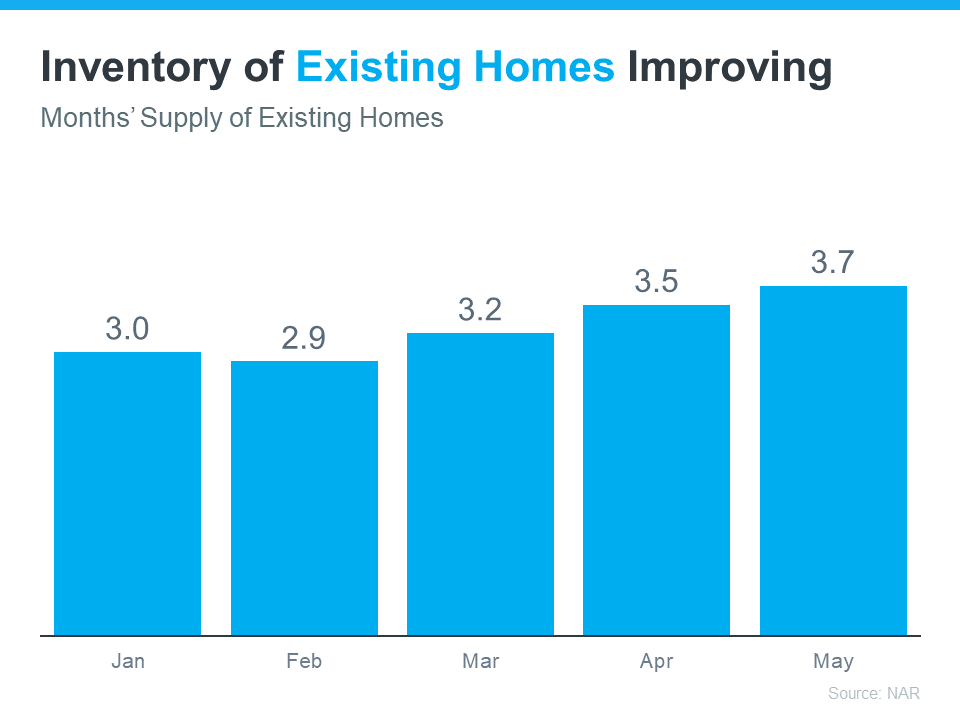
One of the most significant shifts in the market this year is how the months’ supply of homes for sale has increased. If you look at data from the National Association of Realtors (NAR), you’ll see how inventory has grown throughout 2024 (see graph below): No Caption Received

This graph shows the months’ supply of existing homes – homes that were previously lived in by another homeowner. The upward trend this year is clear.

This increase means you have a better chance of finding a home that suits your needs and preferences. And if the biggest reason you put off your home search was difficulty finding the right home, this is a big relief.

2. There’s More New Home Construction

And if you still don’t see an existing home you like, another big opportunity lies in the rise of new home construction. Builders have worked to increase the supply of newly built homes this year. And they’ve turned their attention to crafting smaller, more affordable homes based on what’s most needed in today’s market. This helps address the long-standing issue of housing undersupply throughout the country, and those smaller homes also offset some of the affordability challenges you’re feeling today.

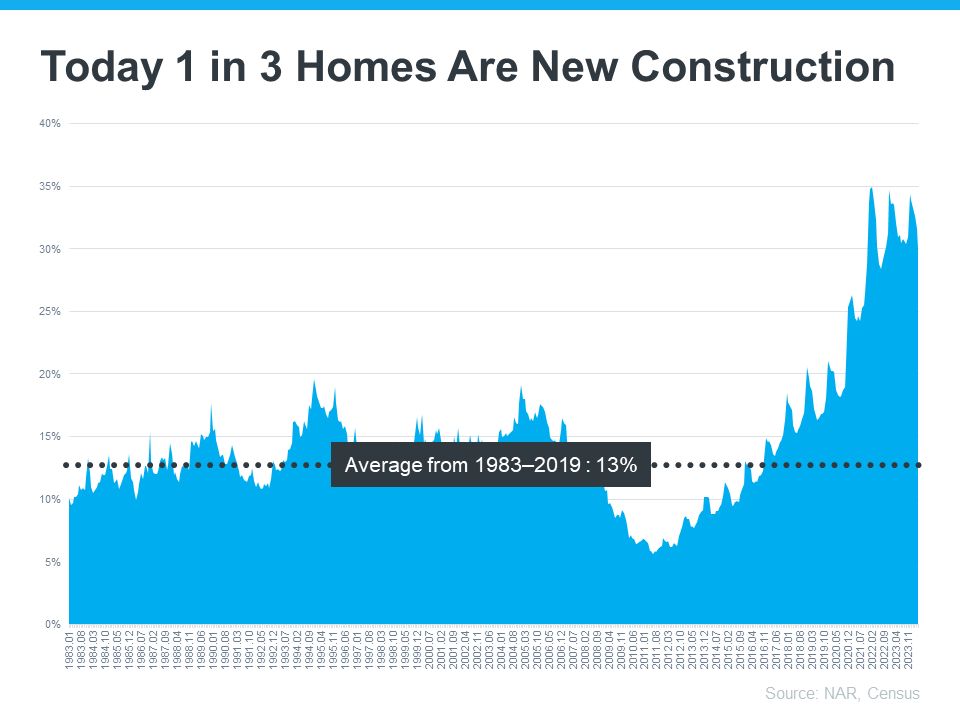
According to data from the Census and NAR, one in three homes on the market is a newly built home (see graph below):No Caption Received

This means, that if you didn’t previously look at newly built homes as part of your search, you may have been cutting your pool of options by a third. Not to mention, some builders are also offering incentives like buying down mortgage rates to make it easier for buyers to get a home that fits their budget.

So, consider talking to your agent about what builders have to offer in your area. Your agent’s expertise on builder reputations, contracts, and more will help you weigh your options.

3. Less Buyer Competition

Mortgage rates are still hovering around 7%, so buyer demand isn’t as fierce as it once was. And when you combine that with more housing supply, you have a better chance of avoiding an intense bidding war. Danielle Hale, Chief Economist at Realtor.com, highlights the positive trend for the latter half of 2024, saying:

“Home shoppers who persist could see better conditions in the second half of the year, which tends to be somewhat less competitive seasonally, and might be even more so since inventory is likely to reach five-year highs.”

This creates a unique opportunity for you to find a home you want to buy with less stress and at a potentially better price.

4. Home Prices Are Moderating

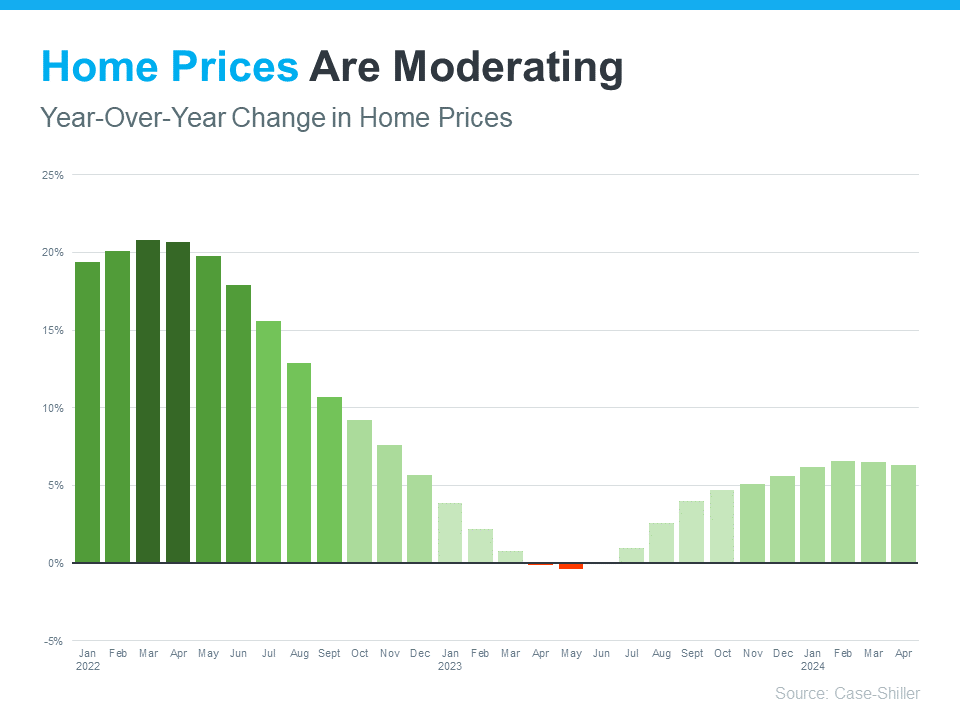
Speaking of prices, home prices are also showing signs of moderation – and that’s a welcome shift after the rapid appreciation seen in recent years (see graph below): No Caption Received

This moderation is mostly due to supply and demand. Supply is growing and demand is easing, so prices aren’t rising as fast. But make no mistake, that doesn’t mean prices are falling – they’re just rising at a more normal pace. You can see this in the graph. The bars are still showing prices increasing, just not as dramatic as it was before.

The average forecast for home price appreciation in 2024 is for positive growth around 3% to 5%, which is more in line with historical norms. That moderation means that you are less likely to face the steep price increases we saw a few years ago.

The Opportunity in Front of You

If you’re ready and able to buy, you may find that the second half of 2024 is a bit easier to navigate. There are still challenges, but some of the biggest hurdles you’ve faced are getting better as time wears on.

On the other hand, you could choose to wait. But if you do, here’s the risk you run. As more buyers recognize the shift in the market, competition will grow again. On a similar note, if mortgage rates do come down (as forecasts say), more buyers will flood back into the market. So, making a move now helps you take advantage of the current market conditions and get ahead of those other buyers.

Bottom Line

If you’ve put your dream of homeownership on hold, the second half of 2024 may be your chance to jump back in. Connect with a real estate agent to talk more about the opportunities you have in today’s market.

The Sweet Spot for Buying Luxury Homes

by Renee Penna | Jun 5, 2024 | For Buyers, Inventory, Move-up

If you’ve been looking for a home at the high end of your market, but haven’t found the right one, you may have put your search on hold. But according to recent data, now may be the time to jump back in. Here’s why.

There Are More Luxury Homes To Choose From

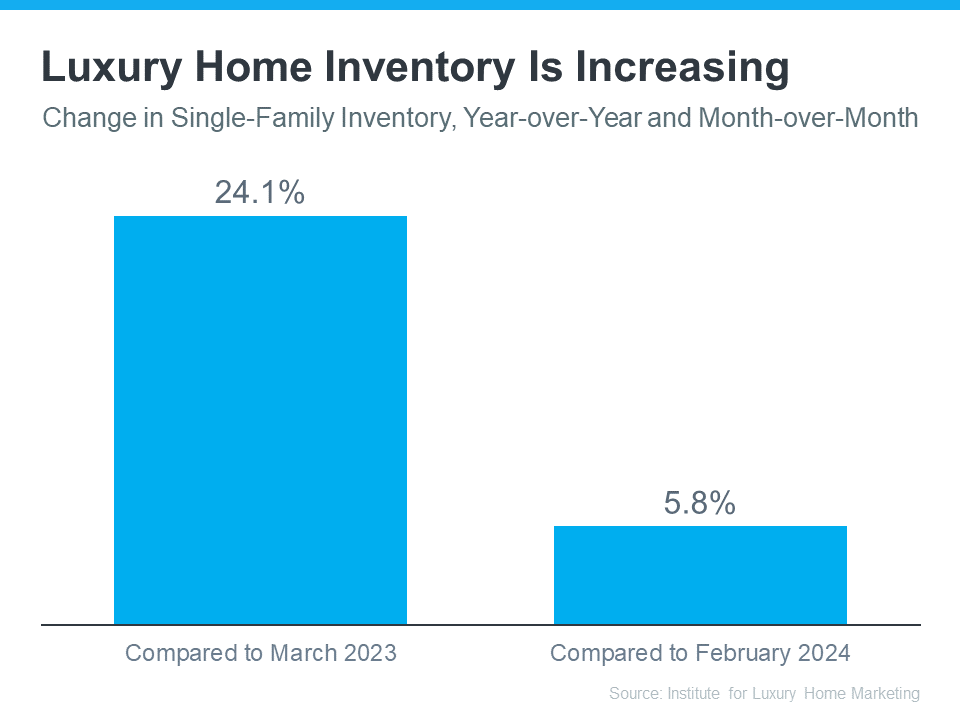
What’s considered the top-end of the market, or a luxury home, will always vary by location. But generally speaking, they’re homes that are valued in the top 5% of any given market. According to a recent report from the Institute for Luxury Home Marketing, the selection of luxury homes is increasing (see graph below):No Caption Received

As the graph shows, there are considerably more single-family luxury homes available now than there were a year ago. In fact, there are even more than there were just a month ago. This means you should have a wider variety of top-of-the-line homes to choose from, each with unique features and styles.

Whether you were searching for the latest design elements, like modern kitchens with chef-grade appliances, a breathtaking view, or integrated smart home technology, more luxury inventory means you should have an easier time finding one that matches your taste and lifestyle.

Rising Luxury Home Prices Can Help You Build Wealth

Another important factor to consider is that luxury home prices are on the rise. According to HousingWire, luxury home prices have increased by 8.7% over the past year. That’s why:

“People with the means to buy high-end homes are jumping in now because they feel confident prices will continue to rise . . . They’re ready to buy with more optimism and less apprehension.”

This means buying before prices climb higher – and while more inventory is on the market – may be your sweet spot. Because home prices are rising, owning a home could help you build more generational wealth over time. On the other hand, if you wait to buy, you might end up paying more for the same home later on as luxury prices continue to rise.

Bottom Line

With growing inventory and rising prices, you have a greater selection of luxury homes to choose from and an opportunity in front of you. Want to see the higher-end homes that are available in our area? Connect with a local real estate agent today.

How Many Homes Are Investors Actually Buying?

by Renee Penna | May 22, 2024 | Economy, Inventory

Are big investors really buying up all the homes today?

If you’re trying to find a house to buy, this may be something you’re wondering about. Maybe you’ve read about it or seen reels on social media saying investors buying all the homes is making it even harder to find what the average buyer is looking for. But spoiler alert – there’s a lot of misinformation out there. To clear things up, here’s the scoop on what’s really happening. A lot of the big investor activity is actually in the rearview mirror already.

The Wall Street Journal (WSJ) explains:

“Investors of all sizes spent billions of dollars buying homes during the pandemic. At the 2022 peak, they bought more than one in every four single-family homes sold, though more recently their activity has slowed as interest rates rose and supply became tighter.”

The key here is investor activity has slowed significantly, and even during the peak of investor buying, 3 out of every 4 single-family homes purchased were by regular, everyday buyers – not investors. And of the investors who bought over the past few years, most weren’t the big investors you may be hearing about. The vast majority were small mom-and-pop investors – people like your neighbors who own only a couple of homes, maybe even just their main residence and a vacation home.

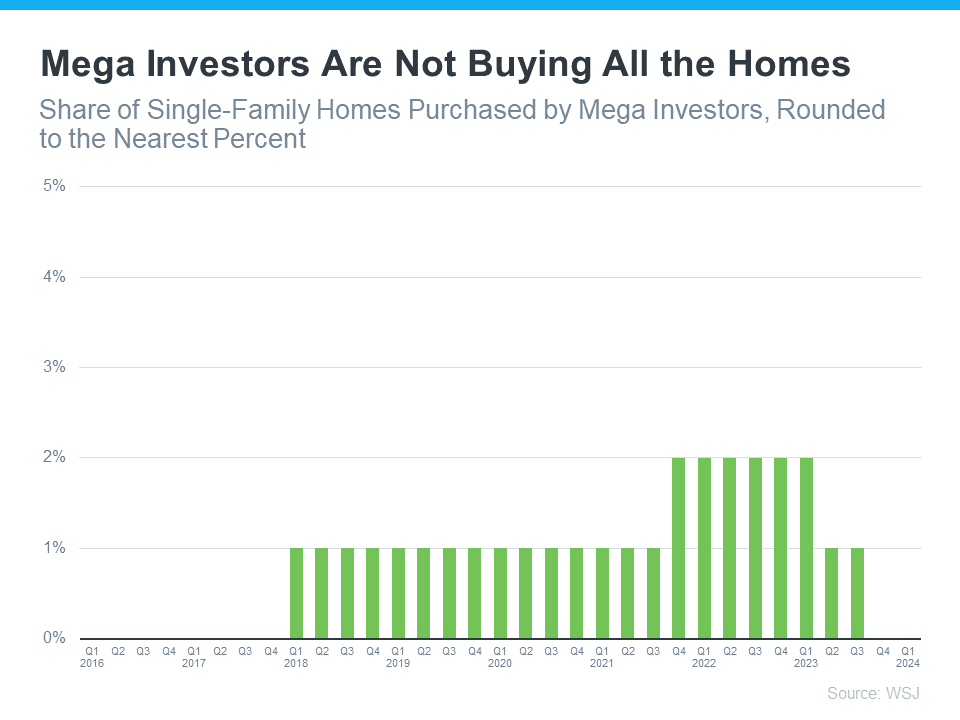
But let’s focus on the giant, mega-investor firms since that’s what is being talked about so frequently on social media right now. Mega investors are those who own 1,000+ properties. You may be surprised to see that, according to the Wall Street Journal, they don’t buy all that many homes (see graph below):

No Caption Received

This graph tells us two things. First, institutional investors were never buying a large percentage of available homes. During the peak in 2022, they bought about 2% of available single-family homes. Second, that percentage has gotten even smaller recently (so small the number rounds down to 0%).

In an effort to understand why that percentage is trending down, private lender RCN Capital asked investors about the challenges they’re facing. Here’s what Jeffrey Tesch, CEO of RCN Capital, found out:

“Investors are already facing many challenges in today’s housing market – rising prices, limited inventory, and higher financing costs.”

Understanding these challenges is important because they show big, mega investors aren’t taking over the housing market.

So, don’t fall for everything you hear. They aren’t snatching up all the homes and making it impossible for regular people to buy. 

Bottom Line

Big investors aren’t buying all the homes out there. If you’ve got questions about what you’re hearing about the housing market, chat with a local real estate agent. They can help you understand what’s really going on.

 www.reneeandassociates.net

reneeandassociates1@gmail.com

  • Follow
  • Follow
  • Follow
  • Follow
  • Follow

 394 New Haven Ave. Suite #5,
Milford CT 06460

  203-283-5764

  203-395-0423

© Powered by ZipperAgent   |   Agent Login   |   Privacy Policy   |   DMCA

  • My Favorites (0)
  • My Saved Searches (0)
  • LOGIN

Get The Jump On
Real Estate Deals

Sign up today and receive email alerts of new listings
the moment they hit the market.

Please enter a valid first name
Please enter a valid last name
Please enter a valid email address
Please enter a valid phone number
Already have an account? Please Sign In

Get The Jump On
Real Estate Deals

Sign up today and receive email alerts of new listings
the moment they hit the market.

Please enter a valid email
Not a member? Register Here

This site uses cookies and related technologies for site operation, analytics, and for a better understanding of how visitors use the site. If you do not want the site to target ads, you can decline, and in that case only cookies required for the website to work properly will be used.